Compliance
Illinois HB 3773, signed into law in 2024, amends the Illinois Human Rights Act to prohibit employers from using AI, including generative AI, in ways that discriminate against employees or job applicants based on protected characteristics.
The law took effect January 1, 2026 and applies to any use of AI that influences consequential employment decisions, from hiring and promotion to discipline and discharge. Employers face strict liability for discriminatory AI outcomes regardless of intent, making proactive AI bias auditing the most defensible path to compliance.
Preparation
Warden AI supports both AI vendors and employers in meeting HB 3773 obligations through:
Audit
Bias auditing using Warden's independent dataset, covering 13 protected characteristics preserved under the Illinois Human Rights Act.
Comply
Our system version-controls tests, data, and methods, giving you a technical record of documentation.

Oversight
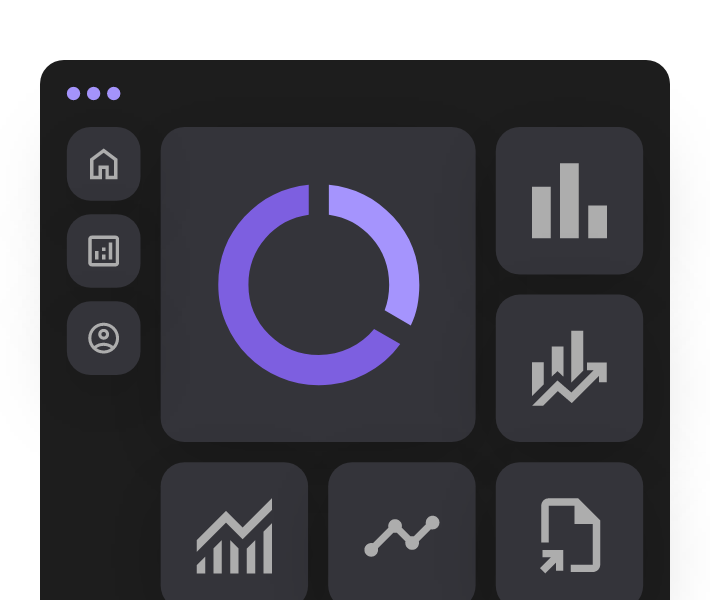
Warden's dashboards and reports help employers and vendors demonstrate meaningful oversight of AI systems.
Monitor
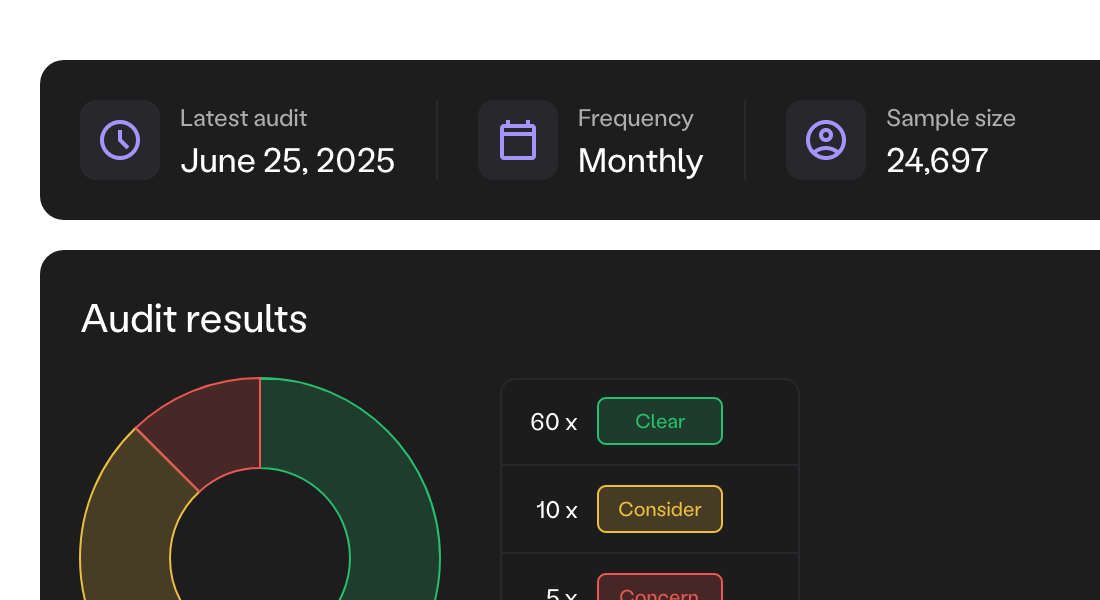
Because HB 3773 compliance isn't a one-time exercise, Warden supports ongoing monitoring to detect emerging disparate impact before it becomes a liability.
Frequently Asked Questions
Illinois HB 3773 amends the Illinois Human Rights Act (IHRA) to govern the use of AI in employment. Effective January 1, 2026, it makes it a civil rights violation for an employer to use AI that discriminates against employees on the basis of IHRA-protected classes, to use ZIP codes as a proxy for those classes, or to fail to tell employees that AI is being used.
HB 3773 took effect January 1, 2026. The Illinois Department of Human Rights is responsible for adopting the implementing rules — including detailed notice requirements — so some operational specifics continue to be defined through rulemaking.
The law applies to employers operating in Illinois that use AI in covered employment decisions — recruitment, hiring, promotion, renewal of employment, selection for training or apprenticeship, discharge, discipline, tenure, and other terms or conditions of employment. It reaches any AI used to influence or facilitate those decisions.
It is a civil rights violation to use AI that has the effect of discriminating against employees based on a class protected by the IHRA, and to use ZIP codes as a proxy for a protected class. These prohibitions focus on outcomes, so an AI tool can violate the law even where there was no intent to discriminate.
Employers must notify employees and applicants whenever AI is used to influence or facilitate a covered employment decision — whether or not that use is discriminatory. The notice must use plain, readable language, be available in the languages commonly spoken by the workforce, and be accessible to employees with disabilities.
No. HB 3773 does not mandate a bias audit by name. But because it imposes strict, outcome-based liability for discriminatory AI — intent is not a defense — independent bias audits are the most practical way to detect disparate impact before it becomes a violation. Warden AI's independent audits give employers that early warning and a defensible record.
The Illinois Department of Human Rights enforces the amended IHRA. Employers found in violation can face actual damages, civil penalties, attorneys' fees, and compliance-reporting obligations. Because liability is strict, a discriminatory effect alone can establish a violation regardless of intent.
Warden AI provides independent bias audits that test AI hiring and promotion tools for disparate impact across protected classes — including proxy effects such as those tied to ZIP codes — alongside version-controlled audit trails and reporting. That gives Illinois employers and their HR tech vendors documented evidence that their AI is monitored for the discriminatory outcomes HB 3773 targets.


.png)
.svg)

.svg)
.png)